

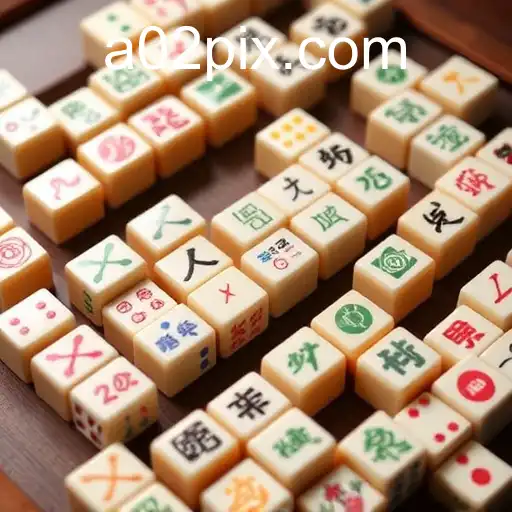
Understanding Mahjong: An Intricate Game of Skill
Mahjong is a tile-based game that has captivated players around the world. Originating in China during the Qing dynasty, it has evolved into various regional versions, captivating players with its intricate strategies and social dynamics. Commonly played by four players, the game involves skill, strategy, and a dash of luck.
Xe88.comThe Basic Structure of Mahjong
At its core, Mahjong is played with a set of 144 tiles based on Chinese characters and symbols. These tiles are divided into three categories: simples, honors, and bonus tiles. Simples are further categorized into bamboo, characters, and dots.
Players begin by shuffling the tiles and constructing a square wall, resembling a building structure. Each player draws tiles to form a hand of 13 tiles, with the goal to form a complete pattern known as a "Mahjong hand." A complete hand typically consists of a specific combination of sets and pairs, requiring strategic decision-making and foresight.JJBB.com
Gameplay and Strategy
One of the unique aspects of Mahjong is the blend of skill and chance. Players must navigate through a sea of possibilities, utilizing tactics such as discarding, drawing new tiles, and forming melds. Each player takes turns picking and discarding tiles with an aim to collect a winning hand. The challenge lies in anticipating opponents' moves and adapting strategies accordingly.
Use of Melds
KKVIPMelds are the building blocks of a winning Mahjong hand. They come in three forms: Pung (three identical tiles), Chow (a sequence of three consecutive tiles in the same suit), and Kong (four identical tiles). The ability to recognize and form these melds efficiently is crucial in gaining a competitive edge.
Understanding Honors and Bonus Tiles
Honors tiles consist of winds and dragons, adding layers to the strategy. Bonus tiles, including flowers and seasons, provide opportunities for additional points, complicating the strategy as players must decide whether to aim for direct victory or focus on bonus accumulations.
LuarPG.COMCultural Significance and Variants
Mahjong is more than just a game. It holds cultural significance across various Asian societies. In China, it's seen as a symbol of family bonding and social interaction. Different regions have adapted their own rules, with notable versions originating in Hong Kong, Japan, and Korea.
For example, Japanese Mahjong, known as Riichi, has distinctive rules emphasizing defensive play and unique scoring systems. Korean Mahjong, on the other hand, incorporates rapid gameplay and simplified rules, appealing to those seeking a fast-paced experience.
The Digital Era: Mahjong and Online Platforms
With the progression into the digital age, Mahjong has seen a resurgence in popularity. Online platforms such as A02.com provide players access to virtual Mahjong experiences, enabling them to hone their skills or engage in competitive play with others regardless of geographical constraints. These platforms often offer tutorials, tournament settings, and community forums, enriching the gaming experience and promoting cultural exchange.
TFTFThe convenience offered by online Mahjong platforms has also attracted a younger audience, ensuring that this historical game continues to thrive in modern times. Whether played for leisure or in competitive tournaments, the essence of Mahjong remains intact: a game of strategy, skill, and a touch of that elusive luck.
Conclusion: An Ever-Evolving Game
Mahjong has transitioned from traditional gaming tables to digital platforms, yet it retains its core values. The persistent allure stems not only from its strategic depth but also from the cultural heritage and social interactions it fosters. As more people discover the joys of Mahjong, its evolution underscores the universal appeal of well-loved games that can bridge generations and cultural gaps alike. Visit our homepage for more insights into the fascinating world of games and cultural traditions.